



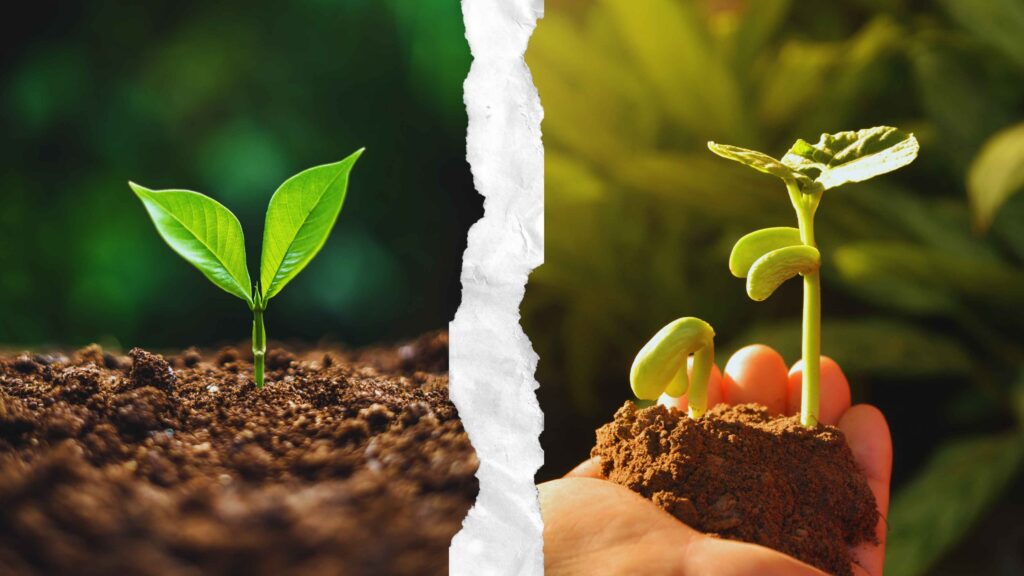
Plants are extremely important in life on Earth. They provide us with food, oxygen, and shelter. They also make the world so beautiful. Just as our body has various parts that have different functions, plants too have various parts that serve to help them grow, remain healthy, and create new plants. In this blog, we will discover the major parts of a plant and their functions, explained in very simple language.
At Anee’s School, the top school of Kharar and Mohali, science is taught to the students in a simple yet fun manner. Let’s start this adventure to find out more about plants, ideal for fostering student knowledge and making students clever and inquiring students.
Roots – The Part Underground
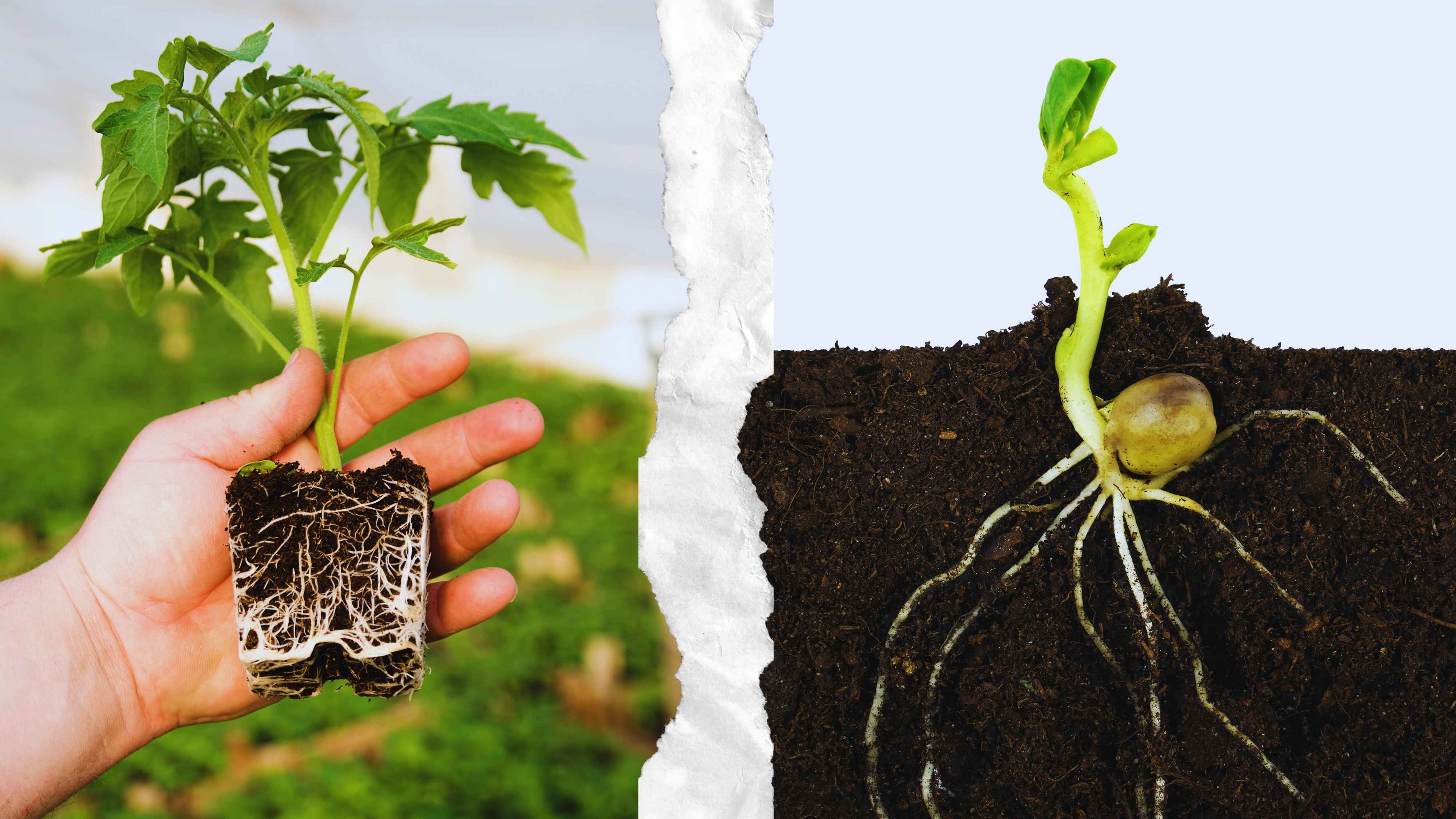
Roots are the underground parts of the plant. Although we cannot see them, roots are extremely significant. They keep the plant firmly in the soil so that it does not fall or fly away when the wind blows. Roots also assist the plant in drinking water and absorbing minerals from the soil. These minerals are like vitamins for the plant and assist it in growing healthy and strong.
There are also roots that have food stored in them. That is the reason some vegetables such as carrots, radishes, and beets grow below ground — they are food-filled roots! A plant could not stand or obtain food from the ground if it did not have roots.
Stem – The Supporter of the Plant
The stem is the long, thin part that occurs above ground level. It serves to connect roots to leaves, flowers, and fruits. The stem resembles a pipeline. It transports water from the roots up to the leaves and transports food from the leaves to the remainder of the plant. It assists the plant to stand firm and upright.
In other plants such as bamboo and sugarcane, the stem also contains food and becomes thick. The stem is highly beneficial as it provides all other parts of the plant with what they require. Teachers at Anee’s School expose students to actual plants in order to demonstrate how the stem functions.
Leaves – The Food Factory
Leaves are typically green and develop on the two sides of the stem. Leaves are wide and flat, and this enables them to receive sunlight. Leaves are the organ of the plant responsible for food production. Leaves produce food by using sunlight, water from the roots, and a gas named carbon dioxide in the air. This is known as photosynthesis.
Leaves also help the plant breathe through small holes called stomata. These holes open and close to take in air and let out extra water. This helps keep the plant cool. Because of leaves, the plant can make its own food and grow.
Flowers – The Colorful Part

The flowers are the most colorful and beautiful part of a plant. They come in so many different shapes, colors, and smells. Flowers are important because they give seeds to the plant. Seeds help to grow new plants.
All the flowers are fragrant and multicolored. Bees, butterflies, and insects go to them. These transfer pollen from a flower to another flower. This is referred to as pollination, and this helps the plant to produce fruits and seeds. Students of the top 10 schools of Kharar like Anee’s School learn it easily by conducting experiments in school and going for nature walks.
Fruits – Guardians of the Seeds
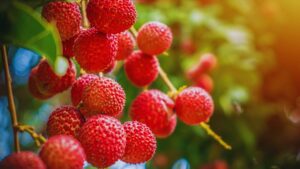
Fruits form from flowers after they have been pollinated. Seeds are contained within the fruit. Fruits not only guard the seeds but also assist in the dispersal of the seeds. When humans or animals ingest fruits, they may spit the seeds onto the earth or carry them elsewhere. There, the seed can grow into a new plant.
Apples and mangoes are sweet fruits. Tomatoes and cucumbers are not sweet. But if they have seeds within them, they are all fruits. Fruits are very delicious and are good for our health, and they also make plants produce new baby plants.
Seeds – Start of a New Plant
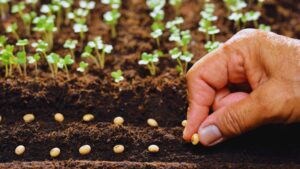
Seeds are small but alive. Each seed has everything it needs to become a new plant. If I put a seed in the ground and give it water, it will grow. This is called germination.
It has a baby plant inside and a little food inside it to nurture the baby plant. When it becomes strong, it forms roots, a stem, and leaves. That is how a new plant begins life. Seeds are the causes for which we see so many plants, trees, and crops everywhere.
Why does that matter for students?
Learning about plant parts educates children on how the world works. It enhances information among students and is enjoyable to learn. Students are also able to take care of their surroundings in a better way by knowing how a plant develops. We implement experiential learning in Anee’s School, the best school in Mohali Kharar. That is, students touch, see, and nurture plants in order to learn.
It makes them smart, kind, and responsible persons who love nature.
Conclusion
Every part of a plant has a specific job:
◐ Roots take up water and minerals.
◑ Roots hold the plant up and deliver water and nutrition.
◐ Leaves make food for the plant.
◑ Flowers help make seeds.
◐ Fruits cover the seeds.
◑ Seeds give rise to young plants.
All these parts work together to facilitate the plant to grow and survive. All students should be aware of these parts for information. It makes us appreciate plants and nature.
Learn with Anee’s School – Quality Education for Young Minds
If you are searching for the top schools in Kharar, or a school in Mohali that emphasizes practical and easy learning, then Anee’s School is the place for you. Our teachers teach science in a simple manner.
We are proud to be one of the best schools of Kharar Mohali and among the top 10 of Kharar. We are dedicated to giving the best of education so every child grows in awareness, imagination, and care.
Read more important blogs from Anee’s School: